Archives
- 2026-05
- 2026-04
- 2026-03
- 2026-02
- 2026-01
- 2025-12
- 2025-11
- 2025-10
- 2025-09
- 2025-03
- 2025-02
- 2025-01
- 2024-12
- 2024-11
- 2024-10
- 2024-09
- 2024-08
- 2024-07
- 2024-06
- 2024-05
- 2024-04
- 2024-03
- 2024-02
- 2024-01
- 2023-12
- 2023-11
- 2023-10
- 2023-09
- 2023-08
- 2023-06
- 2023-05
- 2023-04
- 2023-03
- 2023-02
- 2023-01
- 2022-12
- 2022-11
- 2022-10
- 2022-09
- 2022-08
- 2022-07
- 2022-06
- 2022-05
- 2022-04
- 2022-03
- 2022-02
- 2022-01
- 2021-12
- 2021-11
- 2021-10
- 2021-09
- 2021-08
- 2021-07
- 2021-06
- 2021-05
- 2021-04
- 2021-03
- 2021-02
- 2021-01
- 2020-12
- 2020-11
- 2020-10
- 2020-09
- 2020-08
- 2020-07
- 2020-06
- 2020-05
- 2020-04
- 2020-03
- 2020-02
- 2020-01
- 2019-12
- 2019-11
- 2019-10
- 2019-09
- 2019-08
- 2019-07
- 2019-06
- 2019-05
- 2019-04
- 2018-11
- 2018-10
- 2018-07
-
br Conclusions The present study
2021-01-25
Conclusions The present study demonstrated that CuE possesses strong hepatotoxicity. CuE is not only a mechanism-based inhibitor of human CYP3A4, but also inhibits P-gp activity in vitro. In whole animal studies, CuE induces CYP3A and P-gp after a long-term treatment but inhibits the activities o
-
Phosphatase Inhibitor Cocktail 2 (100X in ddH2O) The Czech R
2021-01-25
The Czech Republic is a country with increasing CDI incidence (1.1 cases per 10,000 patient bed-days in 2008–4.4 cases in 2011–2012 and 6.2 cases per 10,000 patient bed-days in 2012–2013) (Bauer et al., 2011, Davies et al., 2014) and relatively high rates of antibiotic resistant C. difficile strains
-
The present study failed to
2021-01-25
The present study failed to demonstrate an independent association of preoperative ChE with BCR. This is in contrast to Koie et al. who reported that pretreatment serum ChE was significantly associated with BCR in 535 patients with CaP who underwent RP (5-year BRFS rates were 77.7% and 55.0%, respec
-
The most common adverse events
2021-01-25
The most common adverse events in relation to udenafil treatment are headache and facial flushing; other possible adverse events are febrile sensation, dyspepsia, and visual disturbances. No severe adverse event related to udenafil has been reported thus far. The adverse event rate recorded in the p
-
autotaxin inhibitor Given the potency enhancing effect of th
2021-01-25
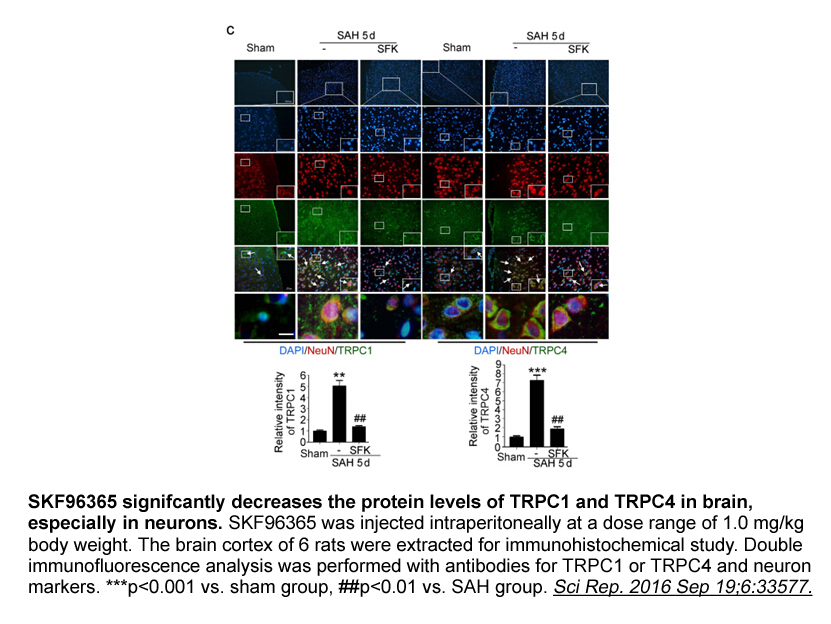
Given the potency enhancing effect of the 4--butyl group, this substitution was incorporated into the Eastern portion of the molecule for further SAR investigations (). Removal of the phenol group (SR19822) or moving it from the -position to the -position (SR19552) or led to significant loss of acti
-
br Materials and methods br Results br Discussion Regardless
2021-01-25
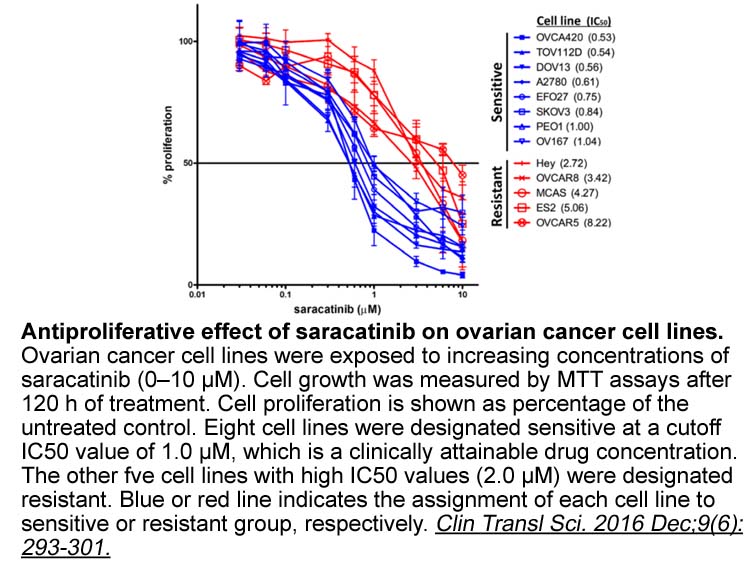
Materials and methods Results Discussion Regardless of obvious beneficial effects of GC on acceleration of foetal lung and cardiomyocytes maturation (Kamath-Rayne et al., 2012; Rog-Zielinska et al., 2015), the current study revealed that GC exposure during late pregnancy induces IR and alte
-
DNA damage represents a persistent
2021-01-25
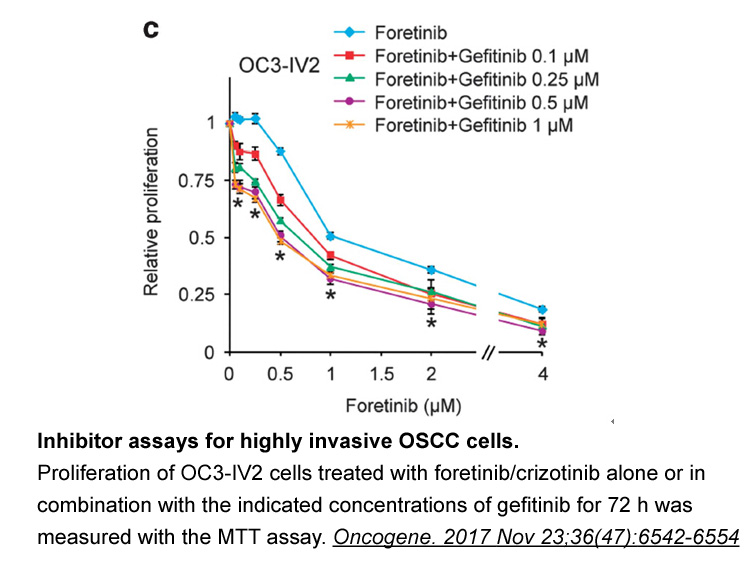
DNA damage represents a persistent threat to genomic stability. A critical link exists between DNA mutation, chromosomal rearrangement and cancer development. In myeloid malignancies, various chromosomal translocations and/or mutations increased cellular reactive oxygen species (ROS), followed by DS
-
Proteolysis by CPs is crucially
2021-01-23
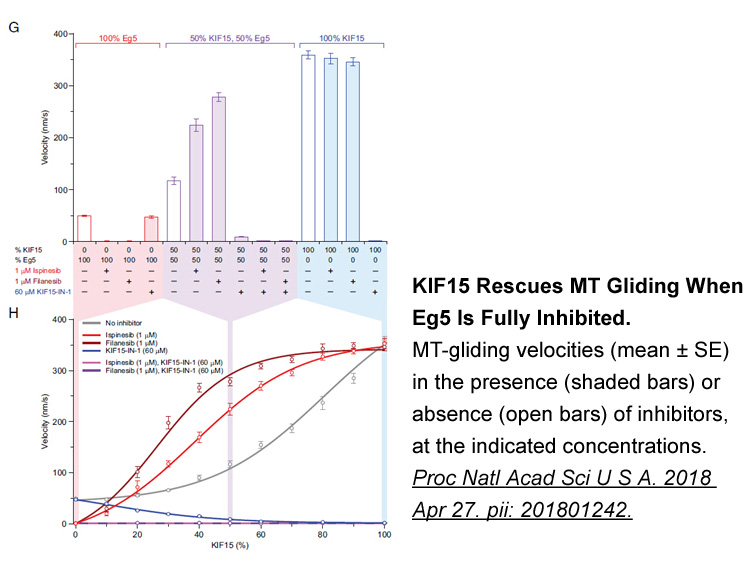
Proteolysis by CPs is crucially important for cereal seed development and germination. However, these enzymes must be tightly controlled. Pre-harvest sprouting is a phenomenon in which the control of CPs is disrupted. This disruption manifests in the premature synthesis and activation of CPs, leadin
-
Resveratrol is a phytoalexin that occurs in relatively large
2021-01-23
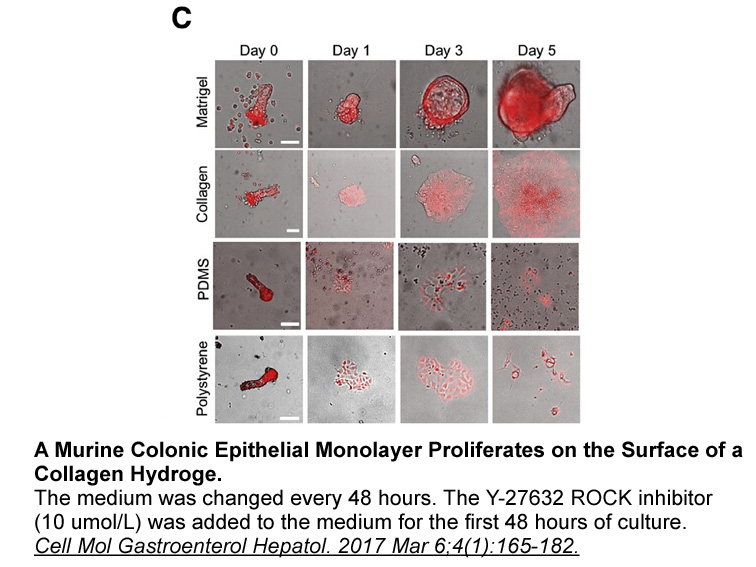
Resveratrol is a phytoalexin that occurs in relatively large amounts in peanut, berries, grapes, and red wine (Soleas et al., 2001). A recent study showed that resveratrol prevents social deficit in an animal model of autism, indicating its potential for possible therapeutic use in children with aut
-
Our comparison of all ER iso forms with ER immunostaining
2021-01-23

Our comparison of all ERα (iso)forms with ERβ immunostaining suggests that overall ERβ expression is lower than that of ERα isoforms. This contrasts the so far reported data for ERs in the lung, but is not a paradox; in pathology routine, ER positivity is defined stricto senso by nuclear WT ERs. As
-
Among RAS mutant tumors analyzed we found that the efficacy
2021-01-23
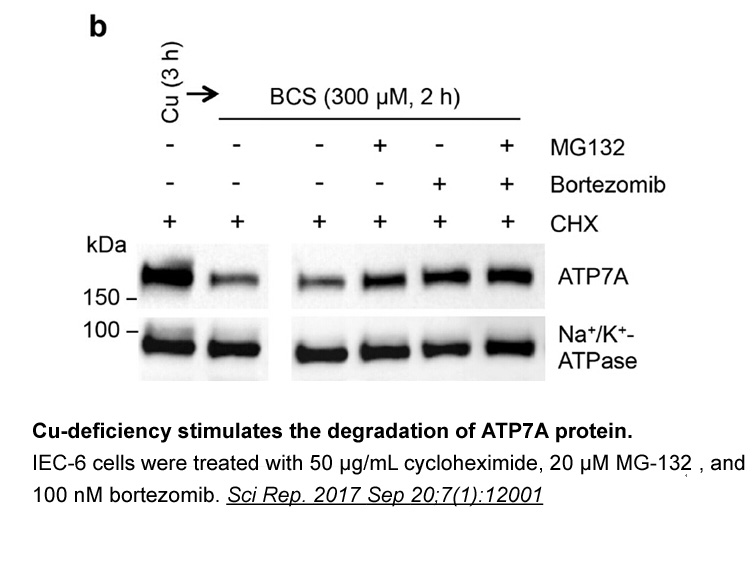
Among RAS mutant tumors analyzed, we found that the efficacy of either the SHP2 inhibitor SHP099, or combined MEK and SHP2 inhibition was best in those expressing RAS mutations at G12 (Figure 7B). Recent studies revealed that cellular RAS(G12C) activity depends on RTK-mediated nucleotide exchange, a
-
The interaction of EPAC with
2021-01-23
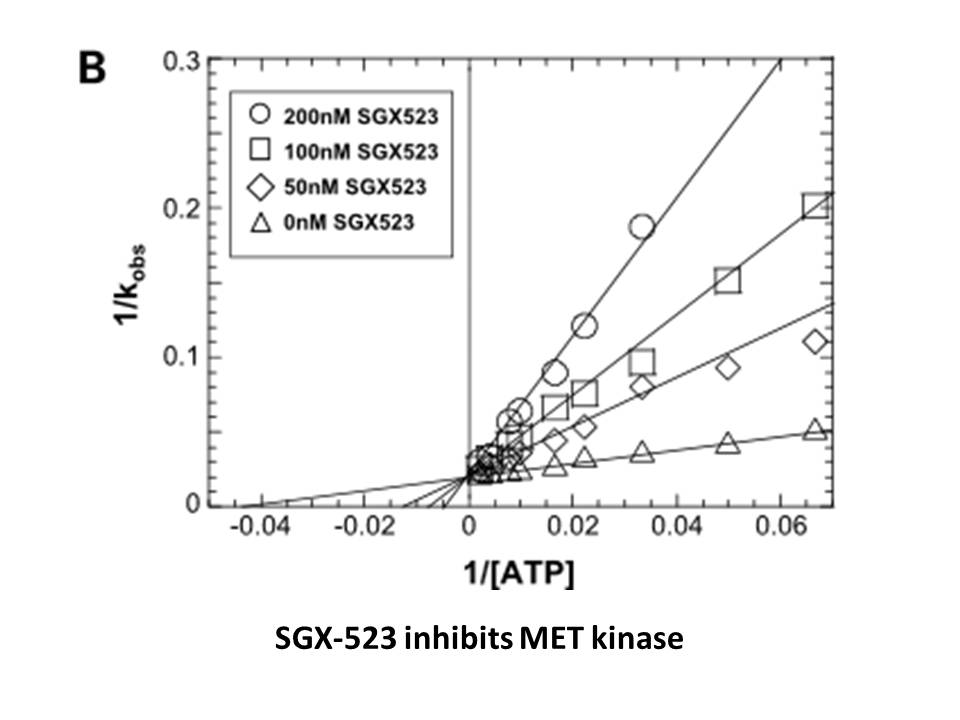
The interaction of EPAC2 with Rim1 has an important role in regulating neurotransmitter release. In addition, a recent EPAC2 knockout mice model study provides evidence that EPAC2 promotes transmitter release by maintaining the readily releasable pool (RRP) at mossy fiber (MF) synapses in the hippoc
-
br Methods br Results br
2021-01-23
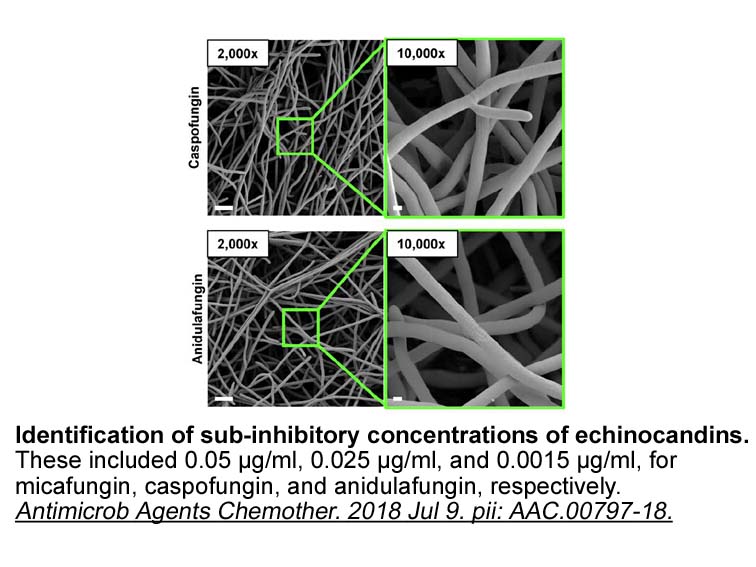
Methods Results Discussion With this study, we provided evidence that acriflavine can interfere with EMT and UPR, two well-described pathways associated with cancer aggressiveness. And, because drug resistance is also clearly associated with the mesenchymal state [36], blocking of the epith
-
S63845 A growing number of other
2021-01-23
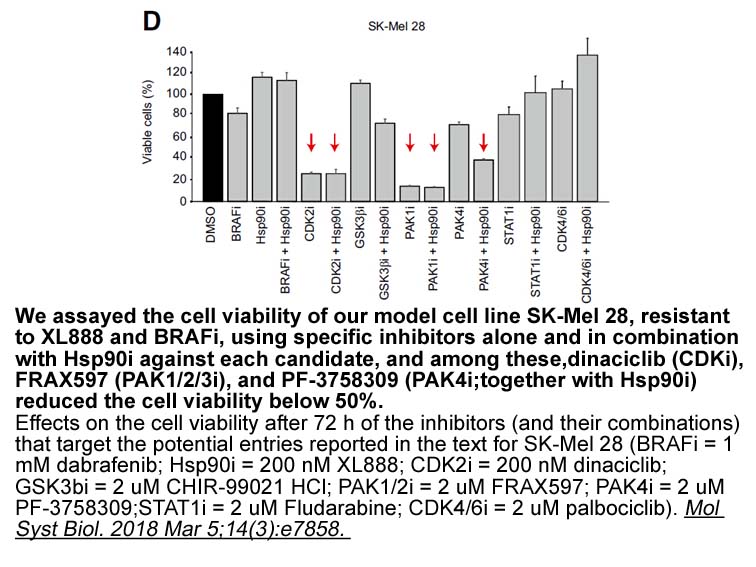
A growing number of other post-translational modifications are implicated in regulation of the ubiquitin system, including substrate modification by hydroxylation, glycosylation, acetylation, methylation, modification by poly(ADP-ribose) (PAR), and attachment of ubiquitin-like modifiers. The HIF1-α
-
br Introduction O Methylguanine DNA methyltransferase MGMT
2021-01-23
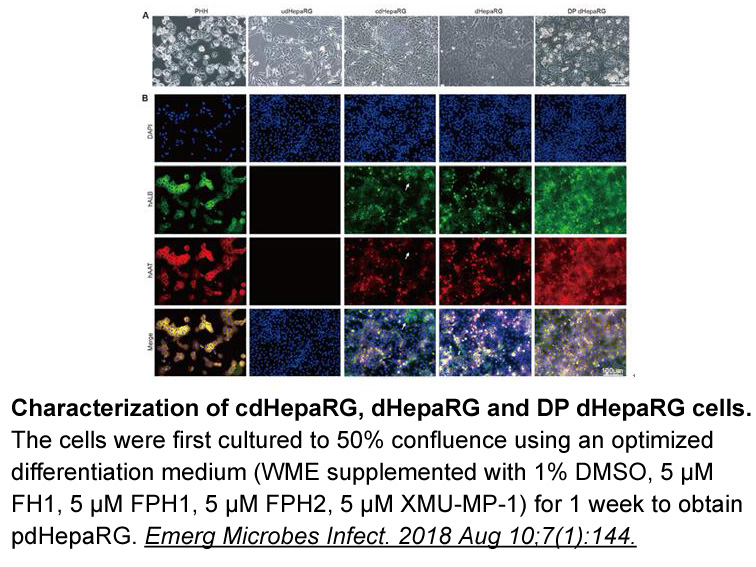
Introduction O6-Methylguanine-DNA methyltransferase (MGMT) is a DNA-repair enzyme that specifically transfers alkyl adducts from the O6 position of guanine to the cysteine residue (Cys145) in its active site. In cancer cells, this ability of MGMT disrupts the cytotoxic actions of alkylating antic
16276 records 725/1086 page Previous Next First page 上5页 721722723724725 下5页 Last page